
Introduction
The Global Luxury Furniture Market has evolved into one of the most dynamic segments within the larger interior décor and home improvement industry. Defined by premium craftsmanship, high-quality materials, and sophisticated aesthetics, luxury furniture goes beyond functionality to serve as a symbol of status, personal taste, and lifestyle refinement. Over the past decade, rising global affluence, expanding high-net-worth individual (HNWI) populations, and increased spending on interior design—both residential and commercial—have significantly contributed to the sector’s growth. With consumers now seeking not only elegant furniture but also curated experiences and personalized designs, the luxury furniture landscape has expanded from traditional artisanal workshops to digital showrooms and global designer collaborations.
As modern lifestyles shift toward curated living spaces, luxury furniture is increasingly viewed as an investment in personal well-being and interior identity. With the expansion of luxury real estate, boutique hotels, and premium commercial spaces, demand continues to accelerate. At the same time, sustainability, craftsmanship, and heritage design play a crucial role in shaping purchasing decisions. The following comprehensive analysis highlights the key aspects driving the Global Luxury Furniture Market and explores future opportunities and challenges in this highly competitive sector.
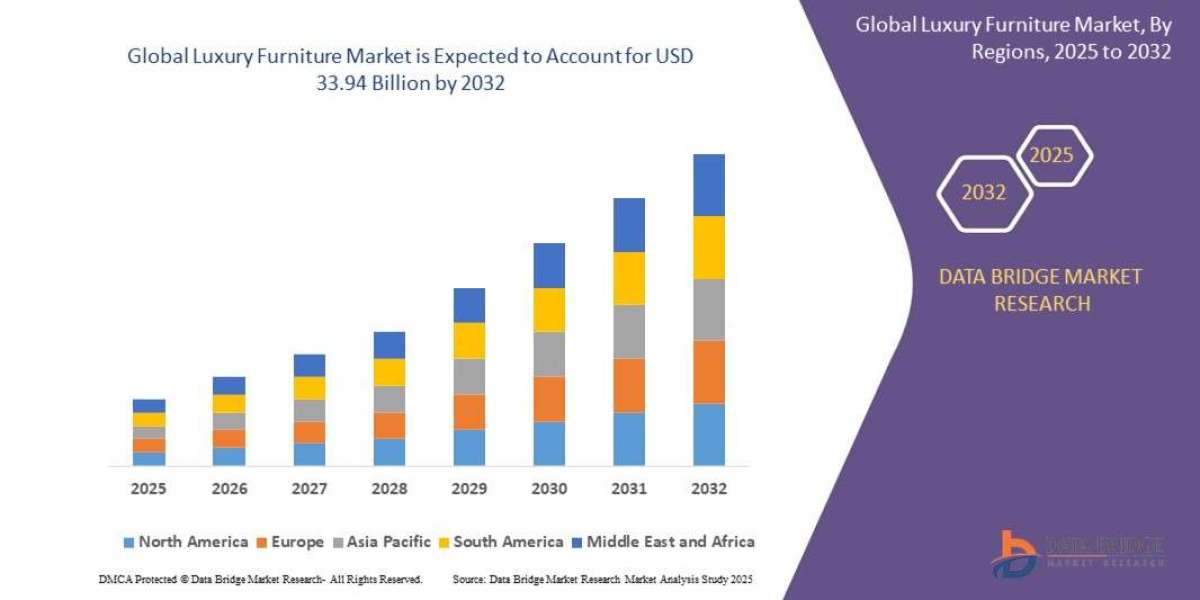
Review comprehensive data and projections in our Global Luxury Furniture Market report.
Download now: https://www.databridgemarketresearch.com/reports/global-luxury-furniture-market
Market Overview
The luxury furniture market spans a wide array of products—ranging from hand-carved wooden bedroom sets to bespoke leather sofas, marble dining tables, high-end outdoor loungers, and custom office pieces. The market’s performance is strongly connected to global economic conditions, construction and real estate development, and consumer trends in lifestyle and aesthetics.
Luxury furniture manufacturers differentiate themselves through meticulous craftsmanship, premium materials such as natural wood, stone, exotic fabrics, and metals, and exclusive designs that reflect contemporary, classic, or hybrid styles. Growing awareness of interior décor trends, fueled by social media, design influencers, and virtual home tours, has propelled the industry forward. The expansion of e-commerce platforms offering virtual showrooms, augmented reality previews, and customization tools has also made luxury furniture more accessible to global buyers.
Consumer demand has shifted from purely ornamental furniture to functional luxury pieces that offer comfort, ergonomic design, sustainability, and smart technology integration. This shift reflects a broader market transition toward eco-conscious luxury and technologically advanced home environments. As a result, the sector continues to grow steadily across both residential and commercial applications.
Key Market Drivers
1. Rising Global Affluence
The increasing number of high-income households and HNWIs is one of the strongest drivers of luxury furniture sales. As purchasing power improves across major economies, consumers are willing to invest in premium home furnishing solutions that reflect their lifestyles and social identity.
2. Growth of Luxury Real Estate and Hospitality
Luxury real estate projects—villas, penthouses, high-end apartments, and boutique hotels—require premium interiors, fueling demand for luxury furniture. The global surge in luxury hospitality brands and vacation rentals further amplifies this trend.
3. Increased Preference for Aesthetic Living
Consumers today are more interior-design aware than ever before. Designer homes, curated living spaces, and thematic interior décor projects have grown in popularity. As a result, luxury furniture is increasingly considered essential to achieving elevated living environments.
4. Digital Transformation and Virtual Showrooms
Online platforms now offer 3D configurators, AR-enabled product previews, and fully curated digital showrooms. This digital transformation has expanded the reach of luxury furniture brands to global customers who can evaluate customized options from anywhere in the world.
5. Emphasis on Sustainability and Artisanal Craftsmanship
A growing segment of buyers prioritizes eco-friendly materials, ethically sourced wood, and handcrafted furniture. The appeal of artisanal pieces with heritage value and craftsmanship excellence continues to boost demand, especially among luxury collectors.
Market Challenges
1. High Cost of Premium Materials
Luxury furniture relies on superior materials—rare wood species, natural stone, fine leather, high-end metals, and exotic fabrics. Rising raw material costs and global supply chain disruptions impact pricing and profitability for manufacturers.
2. Counterfeit and Imitation Products
The market faces increasing challenges from counterfeit furniture that mimics the design aesthetics of premium brands but compromises on quality. This undermines brand value and influences consumer trust.
3. Skilled Labor Shortage
True luxury furniture depends on highly skilled artisans and designers. A global shortage of master craftsmen poses a significant challenge for brands looking to expand production while maintaining quality.
4. Fluctuating Economic Conditions
Luxury goods are sensitive to macroeconomic conditions. Economic downturns tend to reduce discretionary spending, which can temporarily slow market growth in key regions.
5. Limited Consumer Awareness in Emerging Markets
Although developing economies offer significant growth potential, luxury furniture is still unfamiliar or inaccessible to many consumers, limiting market penetration.
Market Opportunities
1. Growth of Bespoke and Personalized Designs
Custom-made furniture allows buyers to tailor materials, finishes, and dimensions according to their preferences. Personalized luxury is increasingly becoming a premium value proposition.
2. Smart Luxury Furniture Integration
Automation and smart home features—charging stations, climate-adaptive materials, motion sensors, and ergonomic technology—are emerging opportunities for premium furniture makers.
3. Eco-Luxury and Sustainable Materials
Green materials, reclaimed wood, eco-friendly fabrics, and circular design models are gaining traction. Luxury consumers are willing to pay more for high-end sustainable furniture.
4. Rising Affluence in Emerging Markets
Countries in Asia Pacific, the Middle East, and Latin America are witnessing rapid urbanization and growing wealth, creating new demand for high-end interiors and designer furniture.
5. Expansion of Luxury Retail through E-Commerce
Hybrid retail models and global online marketplaces enable brands to reach a wider audience and provide seamless customer experiences through virtual consultations and design previews.
Segment Analysis
By Product Type
Living Room Furniture: High-end sofas, recliners, coffee tables, and entertainment units dominate demand due to their central role in interior design.
Bedroom Furniture: Luxury beds, wardrobes, and premium storage solutions are driven by rising investments in bedroom aesthetics.
Kitchen & Dining: Marble and stone dining sets, luxury cabinets, and bespoke kitchen fittings contribute significantly to this segment.
Bathroom & Storage: Designer vanity units, premium cabinets, and high-end bathroom furniture are increasingly popular.
Outdoor Luxury Furniture: Weather-resistant loungers, outdoor dining sets, and patio collections experience rapid growth due to expanding luxury outdoor living spaces.
Office & Commercial Furniture: Executive desks, premium seating, and designer office décor continue to gain traction in corporate and hospitality sectors.
By Material Type
Wood: Still the most popular due to craftsmanship and natural elegance.
Metal: Preferred for contemporary and industrial-style luxury furniture.
Glass: A key material in premium tables and décor items.
Leather: Dominant in luxury sofas and chairs.
Fabric: High-end fabrics, especially eco-friendly ones, are gaining popularity.
Mixed Materials: Combination designs blending wood, metal, and stone are trending.
By Distribution Channel
Offline Showrooms: Remain vital due to the tactile nature of luxury furniture.
Brand Boutiques: Offer curated, exclusive collections.
E-commerce Platforms: Fastest-growing channel with virtual previews and custom designs.
Designer Studios: Popular among premium buyers seeking bespoke creations.
By End User
Residential: Dominates market share driven by premium home décor trends.
Commercial: Hotels, resorts, office spaces, lounges, and galleries increasingly invest in high-end furnishings.
Regional Analysis
North America
A mature market characterized by strong purchasing power, well-established premium brands, and rising spending on home remodeling. The U.S. remains a major revenue generator with demand for modern and rustic luxury furniture.
Europe
Known for heritage luxury brands, artisanal craftsmanship, and sophisticated design culture. Italy, France, Germany, and the UK lead the market with premier furniture houses recognized globally.
Asia Pacific
The fastest-growing region driven by urbanization, rising wealth in China and India, and expansion of luxury real estate. Increasing investments in premium hospitality and designer homes support rapid market growth.
Middle East & Africa
A booming luxury real estate environment in the UAE, Saudi Arabia, and Qatar fuels demand for high-end interiors. Premium hotels and resorts contribute significantly.
Latin America
Growing interest in customized and boutique luxury furniture in Brazil, Mexico, and Argentina is driving market expansion.
Competitive Landscape
The luxury furniture market is characterized by strong competition between established global brands, artisanal designers, and contemporary creators. Leading companies differentiate themselves through exclusive collections, limited-edition designs, sustainable materials, and high-end customization. Many brands are adopting digital-first strategies, collaborative design partnerships, and expansions into luxury lifestyle categories. Innovation in materials, design, and smart technology continues to shape competitive strategies.
Future Outlook
The future of the Global Luxury Furniture Market looks exceptionally promising. The shift toward premium living standards, digital interior design experiences, and smart luxury furniture will continue shaping the industry. AR/VR-based showrooms, AI-driven customization, and eco-conscious luxury will define the next phase of market evolution. As consumers increasingly invest in luxury living environments, the market is expected to sustain long-term momentum with continuous innovations in craftsmanship and design.
FAQs
- What defines luxury furniture?
Luxury furniture is defined by high-quality materials, exceptional craftsmanship, exclusive design, and superior durability. It often includes bespoke and designer pieces. - Who typically buys luxury furniture?
High-income individuals, luxury real estate developers, boutique hotels, premium office spaces, and customers seeking personalized home décor. - What materials are most popular in luxury furniture?
Premium wood, natural stone, fine leather, glass, metal, and high-quality fabrics. - Is sustainable luxury furniture becoming more popular?
Yes. Eco-luxury and sustainable materials are rapidly gaining traction among modern luxury consumers. - Why is customization important in the luxury furniture market?
Customization offers exclusivity, personalization, and superior fit within unique interior spaces, making it a key selling point. - Which region is experiencing the fastest growth?
Asia Pacific is currently the fastest-growing region due to rising affluence and rapid real estate expansion.
Browse More Reports:
Global Film Thickness Measurement Market
Global H1N1 (Swine Flu) Vaccination Market
Global Hospital Acquired Disease Testing Market
Global Interactive Video Wall Market
Global LIDAR Drones Market
Global Liver Health Supplements Market
Global Location-based Ambient Intelligence Market
Global Mesenchymal Stem Cells Market
Global MicroRNA (miRNA) Market
Global Perioral Dermatitis Treatment Market
Global Protein Assays Market
Global Pulse Ingredients Market
Global Seasonal Affective Disorder Market
Global Tackifier Market
Global Third Generation Ventricular Assist Devices Market
About Data Bridge Market Research:
An absolute way to forecast what the future holds is to comprehend the trend today!
Data Bridge Market Research set forth itself as an unconventional and neoteric market research and consulting firm with an unparalleled level of resilience and integrated approaches. We are determined to unearth the best market opportunities and foster efficient information for your business to thrive in the market. Data Bridge endeavors to provide appropriate solutions to the complex business challenges and initiates an effortless decision-making process. Data Bridge is an aftermath of sheer wisdom and experience which was formulated and framed in the year 2015 in Pune.
Contact Us:
Data Bridge Market Research
US: +1 614 591 3140
UK: +44 845 154 9652
APAC : +653 1251 975
Email:- [email protected]