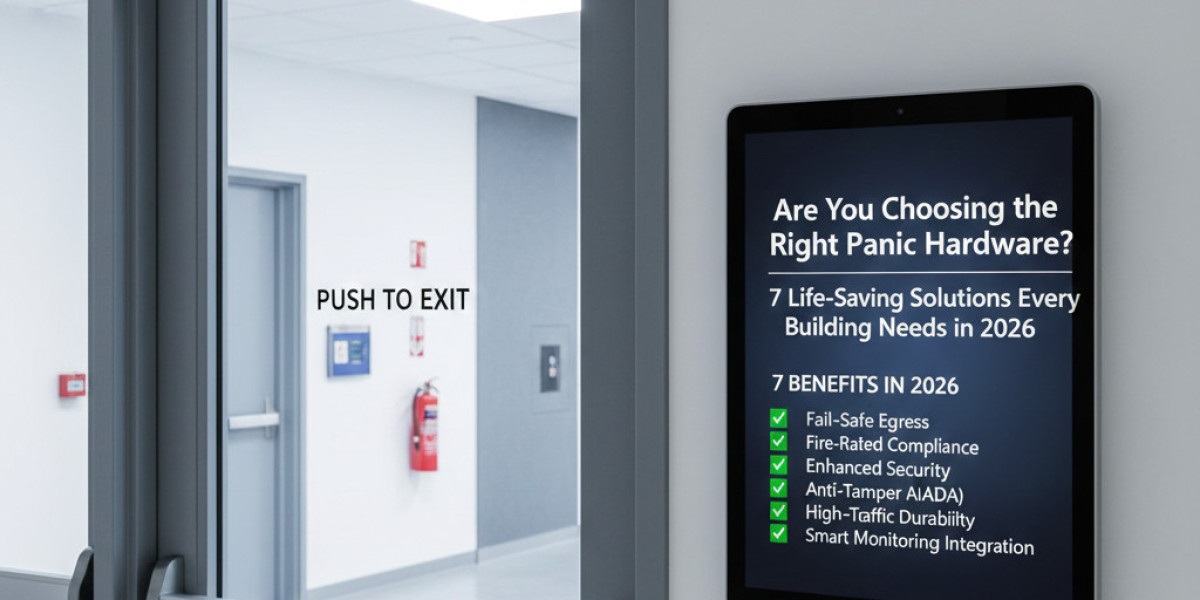

If you manage, design, or own a commercial building, panic hardware is not optional—it’s a legal and life-safety requirement. From schools and hospitals to offices and retail spaces, the right panic hardware can mean the difference between safe evacuation and serious liability.
Yet many buyers still ask:
What exactly is panic hardware, where is it required, and how do I choose the right system?
This guide explains 7 critical facts about panic hardware, how it aligns with local building codes and fire regulations, and why acting now protects both lives and your business.
What Is Panic Hardware?
Panic hardware (also known as panic bars or exit devices) allows doors to open instantly when pressure is applied—without keys, twisting, or complex actions. It’s designed for fast, safe emergency exits during fires, power failures, or panic situations.
Why Panic Hardware Is Mandatory Under Building Codes
Most local and international building regulations require panic hardware on doors in buildings with public access or high occupancy.
These typically include:
- Fire exits
- Emergency exits
- Assembly buildings
- Educational institutions
- Healthcare facilities
- Commercial and industrial buildings
Failure to comply can lead to:
- Failed inspections
- Heavy fines
- Business shutdowns
- Legal liability in emergencies
7 Critical Facts About Panic Hardware Every Buyer Must Know
1. Panic Hardware Is a Legal Requirement, Not a Design Choice
Building codes such as fire safety regulations and occupancy standards mandate panic hardware for outward-opening exit doors used by the public.
If your building is inspected, non-compliant doors must be replaced immediately.
2. One Push Saves Lives
Panic hardware allows doors to open with a single push, even in crowded or low-visibility situations.
This is essential during:
- Fires
- Power failures
- Emergency evacuations
3. Panic Hardware Reduces Legal & Insurance Risk
Installing certified panic hardware helps:
- Meet fire and safety codes
- Reduce liability exposure
- Support insurance compliance
In many cases, insurers expect panic hardware in public buildings.
4. Different Buildings Need Different Panic Devices
Not all panic hardware is the same.
Common options include:
- Panic bars
- Touch bars
- Vertical rod exit devices
- Rim exit devices
Choosing the wrong type can result in failed compliance checks.
5. Panic Hardware Can Be Secure AND Compliant
Modern panic hardware allows:
- Free exit from inside
- Controlled access from outside
- Integration with access control systems
Security and safety no longer conflict.
6. Poor-Quality Panic Hardware Fails Inspections
Low-quality or uncertified hardware may:
- Jam under pressure
- Fail durability tests
- Be rejected by inspectors
Certified, tested panic hardware ensures long-term compliance.
7. Retrofitting Now Is Cheaper Than Failing Later
Upgrading doors with compliant panic hardware before inspections or audits avoids:
- Emergency replacements
- Business disruption
- Penalties and delays
Acting early saves time, money, and risk.
Where Is Panic Hardware Required by Code?
Panic hardware is commonly required on:
- Fire exit doors
- Doors serving rooms with high occupant load
- Public access doors that swing outward
- Commercial and institutional buildings
Local regulations may vary, but most authorities follow strict fire and life-safety standards.
Always choose panic hardware that meets recognized building and fire safety codes.
How to Choose the Right Panic Hardware
Look for products that offer:
- Certified compliance with building and fire codes
- Durable, heavy-duty construction
- Smooth, reliable operation
- Options for single or double doors
- Compatibility with access control if required
Avoid hardware with no certification, unclear specifications, or limited support.
Ready to Install Compliant Panic Hardware?
If your building requires safe, compliant, and reliable emergency exits, now is the time to act.
Code-compliant panic hardware
Suitable for commercial & public buildings
Trusted solutions for inspections and audits
Contact us today for expert guidance or a quotation on panic hardware.
FAQs
What is panic hardware used for?
Panic hardware is used on exit doors to allow quick, safe evacuation during emergencies by opening the door with a single push.
Is panic hardware required by building codes?
Yes, most building and fire safety codes require panic hardware on exit doors in public and high-occupancy buildings.
Where is panic hardware mandatory?
It is mandatory in buildings such as schools, hospitals, offices, shopping areas, and other public or commercial spaces.
What happens if panic hardware is not installed?
Buildings may fail inspections, face fines, or be held legally liable if panic hardware is missing or non-compliant.
Can panic hardware be installed on existing doors?
Yes, many panic hardware systems are designed for retrofitting existing doors to meet compliance requirements.
Questions & Answers
“Is panic hardware required for fire exits?”
Yes, most fire safety regulations require panic hardware on fire exit doors to allow quick evacuation.
“What buildings need panic hardware?”
Public, commercial, educational, healthcare, and high-occupancy buildings typically require panic hardware under building codes.
“Can panic hardware be used with access control?”
Yes, modern panic hardware can integrate with access control systems while still allowing free emergency exit.
Safety, compliance, and peace of mind start at the door.
Don’t risk inspections, penalties, or lives with non-compliant exits.
Enquire now to get certified panic hardware for your building today.